DataScape: An Artificial Intelligence and Machine-Learning Platform
Implementing MCP’s DataScape analytics solution enables organizations to have:
- Significantly improved value derived from data
- Machine learning and artificial intelligence combined with an enterprise data lake
- Analytics targeted to enhance decision-making that fosters a data-driven culture
- New analytics capabilities not previously possible
- Boosted productivity among staff
- The ability to store data without overly structured design and without requiring knowing how it should be used
- A new approach to data migration that eliminates the need to transform and load partial and inaccurate historical data
- New abilities to generate data analyses and reports

Analytics and Visualizations
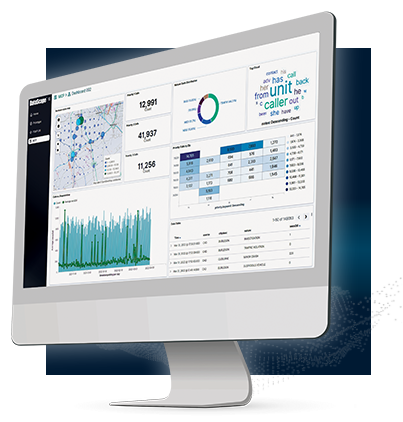
Data dashboards and visualizations ensure users can access data in an interactive, singular platform. Users can move structured and unstructured data from various sources into the solution. They then can be stored, processed, and analyzed.
Features:
- Large-scale, simplified data linking between disparate sources
- A configurable user interface that empowers managers to “slice” data to see trends and report to executives and funders
- Agencies contribute only the data they authorize, giving each data provider control over policy compliance and access by other users
- The ability to stream new data into a shared source in near-real-time, as individuals create new records in their systems of record
Machine Learning and Artificial Intelligence
Organizations that want to go deeper with data management can apply machine learning and artificial intelligence. These tools identify patterns and anomalies, form conclusions, present analysts with probable results, and help decision-makers “connect the dots” based on newly aggregated and contextualized data.
Features:
- Statistical algorithms are “trained” to reveal statistical clustering of similar data.
- Analysts can fine-tune Algorithms to balance pattern-matching with the added noise that false-positive matches introduce.
- Data from multiple sources can help verify identity and provide a complete record, for example, matching individuals with identifiers, last known addresses, and involvement across various systems.
- Machine learning performs probabilistic matching on a massive scale. Agencies can see patterns they would never be able to uncover using traditional tools. The insights gained can drive efficiency and better manage workloads in the face of staff shortages.